
How Tarpaulin Sheet Became an Essential Utility Material

Tarpaulin, more commonly referred to as a tarp, is a tough and adaptable material crafted from substances like polyethylene, canvas, or vinyl. Today, Tarpaulins have become widely utilized across homes, businesses, and outdoor leisure activities. However, their prominence wasn't established overnight. Over time, tarpaulin earned its essential status due to its remarkable versatility and ability to meet a diverse range of needs.
The Origins of Tarpaulin
The word tarpaulin originates from two Old English terms: tar," derived from taeg, meaning "to cover," and "paulin," which comes from pelliculae, referring to joining strips. Historically, tarpaulins were heavyweight fabrics coated with tar to make them waterproof.
Sailors were among the first to recognize tarpaulin’s utility as they used these tar-coated sheets to protect equipment from seawater. Its durability and resistance to water, wind, and rain made it an indispensable asset aboard ships. Over time, the practical benefits of tarpaulin extended beyond the seas and found their place on land.
Expansion into Everyday Life
As industries grew, so did tarpaulin's applications beyond maritime uses. Farmers began using tarps to shield crops and hay from rain, while merchants covered goods during transport to prevent weather damage. The concept was simple yet effective: protecting items from nature's elements in an affordable and straightforward way.
Manufacturers soon began innovating new varieties of tarpaulins using advanced materials such as polyethylene. These modern versions were not only lighter but also more durable and highly water-resistant compared to traditional canvas tarps. These advancements opened the door for an even wider array of applications.
The Popularity of Tarpaulin
Tarpaulin’s universal appeal lies in its unmatched ability to provide protection against environmental elements. Whether shielding items from rain, wind, dust, or sunlight, a tarp offers quick and dependable coverage. From covering vehicles to constructing makeshift shelters and wrapping goods during transportation, its versatility shines in virtually any scenario.
Its affordability is another significant factor behind its widespread use. Compared to permanent structures or specialized storage solutions, tarps offer a cost-effective alternative. Moreover, their reusability further adds to their practicality, making them a preferred choice for numerous applications.
A Lifesaver in Emergencies
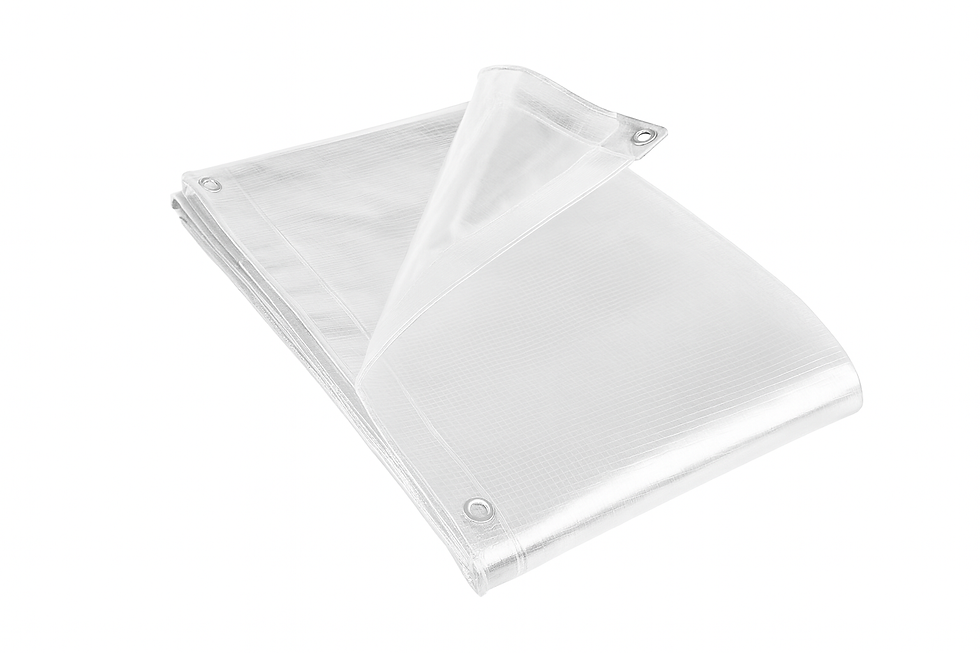
Though not used daily by everyone, heavy-duty Glass Clear Tarpaulin sheets are a critical resource in emergency situations. They are often employed to set up temporary shelters during floods or natural disasters. When roofs are damaged, a tarp can act as an interim cover until proper repairs are made. Aid organizations stockpile tarps in significant quantities due to their ease of storage, transportation, and deployment.
In extreme weather events like storms or heavy rainfall, tarps protect exposed objects such as damaged roofs, outdoor furniture, or equipment. Their ability to safeguard essential items swiftly makes them invaluable in urgent scenarios, cementing their place in disaster relief efforts.
A Tool for Countless Applications
Tarps demonstrate their utility across an impressive spectrum of activities. In construction, they keep materials dry and workers protected from bad weather. In transportation, they secure cargo from exposure during shipment by truck or ship. For homeowners, they function as multi-purpose tools ideal for gardening, picnics, camping excursions, or even as temporary floor coverings for messy projects.
Outdoor events like concerts or festivals depend on tarps for protection against sudden rain or harsh sun. Hikers and campers rely on them as ground covers or makeshift shelters. Farmers utilize them extensively to safeguard machinery or shield soil and produce from the elements.
Modern Enhancements
Today’s tarpaulins have seen tremendous development in design and functionality. Lighter options are available for short-term tasks, while industrial-grade heavy-duty varieties cater to demanding projects. Users can choose between waterproof or water-resistant models, some of which now come with UV protection to prevent fading or flame-retardant properties for added safety.
Continuous advancements have refined the reliability and performance of tarps, making them highly adaptable to modern needs. No longer just simple sheets of material, many tarpaulins have been engineered with specific uses in mind.
The Everyday Essential
Tarpaulin has become a common sight in households and various locations, admired for its dependable quality, adaptability, and affordability. Whether it’s a small DIY project at home or a major construction site, tarpaulin consistently proves its value. One of its greatest advantages is its convenience not only is it easy to use, but it can also be stored compactly, taking up minimal space when folded.
Over time, tarpaulin has evolved from a practical tool for sailors to a well-recognized everyday item. Its journey from being a simple safeguard against weather elements to becoming an indispensable utility worldwide underscores how a straightforward concept can transform into a staple of daily life.
Final Thoughts
Clear Tarpaulin carries with it a rich history and promises continued relevance in the future. As a versatile and budget-friendly material, it serves countless purposes, including essential roles in emergencies or disaster response. From farms to cities, for both work and leisure, tarpaulin remains a reliable resource whenever needed. For many, imagining life without this practical tool has become nearly impossible.


Comments